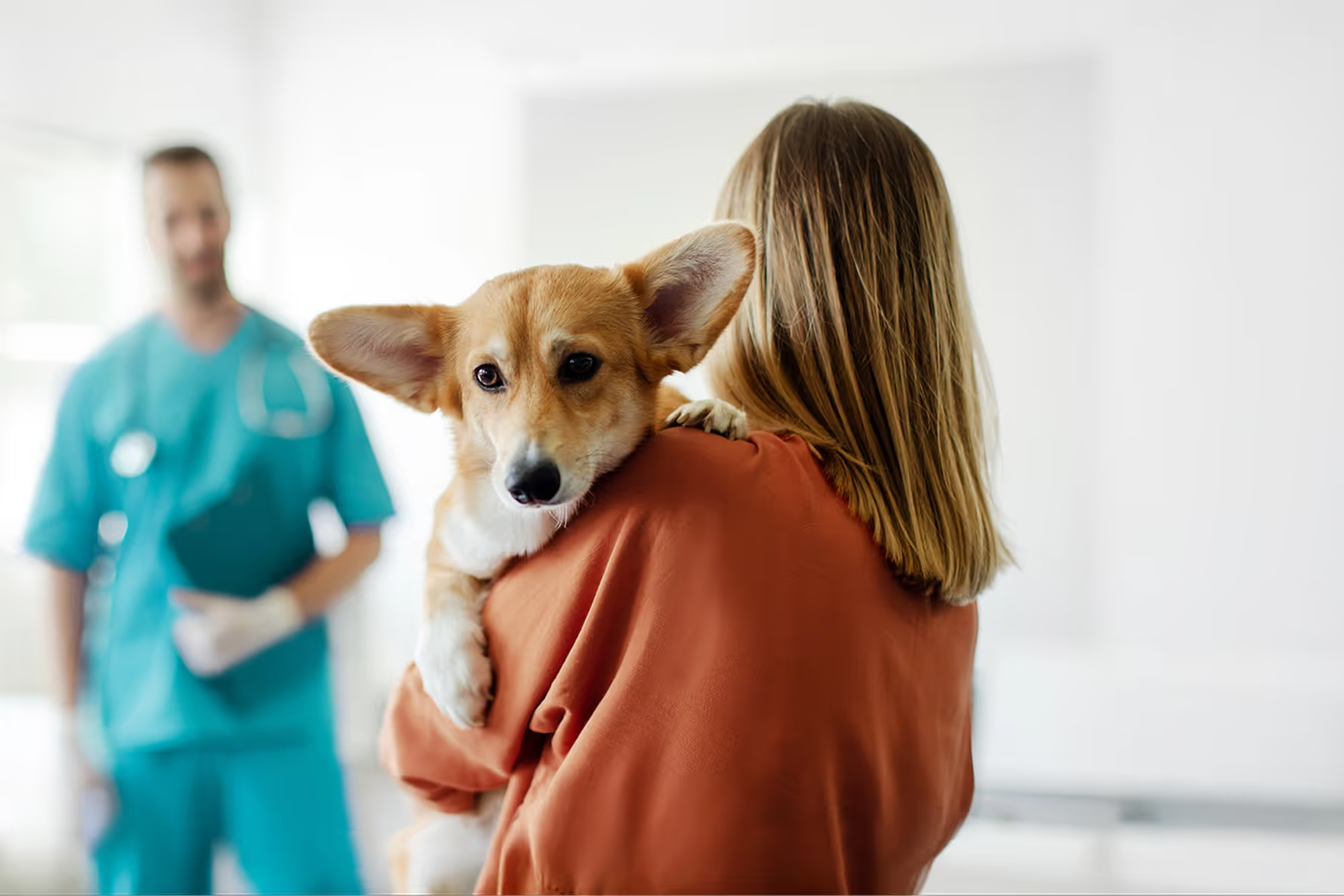
Vet Second Opinions Explained: Helping You Feel Confident in Your Pet’s Care
Dog Cancer
March 5, 2026

Shih Tzus may be small in size, but they come with a big history. Did you know this breed was once bred as royal companions in ancient China, spending their days lounging in places and bringing joy to emperors? With their sweet nature and unmistakable flowing coats, it’s no wonder they’ve kept their reputation as beloved lap dogs for centuries.
When it comes to health, Shih Tzus share many of the same concerns as other small breeds, and while cancer can sometimes be a part of the picture, it’s important to remember that early awareness and proactive care can make a world of difference. Advances in veterinary medicine mean our furry friends have better options than ever, from preventative screenings to treatment approaches tailored just for them.
The good news? Shih Tzus are generally a hardy little breed with long lifespans—often living well into their teens. That means plenty of years filled with snuggles, playtime, and those adorable “lion dog” expressions that never get old. By understanding their unique health needs—including their likelihood of developing cancer—you’ll be equipped to give your Shih Tzu the happiest, healthiest life possible.
While Shih Tzus are beloved for their friendly personalities and luxurious coats, they do face certain health problems more frequently than other breeds. Understanding these concerns can help pet parents spot potential issues early and keep their pups thriving.
Breathing Problems (Brachycephalic Syndrome):
While distinctive and adorable, the structure of a Shih Tzu's snout can lead to Brachycephalic Airway Syndrome, which can make it difficult for these pups to effectively get air. Symptoms of this difficulty could manifest as coughing, wheezing, or difficulty breathing—if any of these are experienced, please visit your vet to ensure that your furry friend is able to get the support they need to breathe better, which can involve surgery.1,2
Eye Problems:
Because of Shih Tzu’s large eyes within their small faces, they can run into many eye problems like entropion (when the eyelid rolls into the eye and eyelashes irritate the cornea), red eye, bulging eyes, eye discharge, cloudy eyes, dry eye, cherry eye, and even glaucoma. Trauma to the eyes is also common and can occur from falls or sharp objects. As a pet parent, keeping watch on your pooch's eyes shouldn’t be too difficult; take note of any changes or signs of discomfort that your dog may be experiencing. For many eye conditions, if there is not an extreme development over a short time you may be able to resolve the issue at home with tools given to you by your vet, or with changes in your dog’s lifestyle or diet. However, some disorders may require some additional attention and care by your veterinarian.1,2,3
Hip and Joint problems (Hip and Elbow Dysplasia, Luxating Patellas, Spine Disorders):
Even though Shih Tzus are one of the smaller breeds on the scale, they can develop joint issues just like their larger counterparts. Hip and elbow dysplasia is a common issue that Shih Tzus can experience because over time, their joints no longer properly fit together which can lead to arthritis later in life. Patellar luxation is when a dog’s kneecap moves out of the place where it is meant to be, creating discomfort in the dog’s gait; you can often recognize this happening if you see your dog seeming to skip by lifting one of their legs while walking in an attempt to move it back into place.1,2.3
Dental Issues (Periodontal disease):
Thanks to their small mouths, Shih Tzus are likely to have their teeth overcrowded. Having their teeth so close together can lead to an overdevelopment of plaque and tartar if not maintained with regular brushing. Should there be excessive damage or pain coming from your Shih Tzu’s teeth, they can be removed with surgery.1,2
Ear Infections:
As with many dogs with floppy ears, Shih Tzus can run into trouble with moisture collecting in their ears and blocking airflow. They also grow fur inside of their ears which can, in combination with the loss of airflow, lead to painful or itchy ears. Keeping your dog well groomed and cleaning their ears on a regular basis can help with preventing ear infections.1,2
Liver Shunts (Portosystemic Shunts):
Liver shunts are a type of liver disease that can advance in a way that creates additional problems like stunted growth, chronic gastrointestinal issues, and even neurological signs like seizures or ataxia—which is identified by having a disoriented gait. Dogs are born with liver shunts and often are very small and do not grow as well as their siblings. However, the symptoms of the disorders that can be caused by liver shunts are not necessarily signals of a diagnosis. It’s important to have regular check ups with blood work to make sure that your Shih Tzu isn’t having a buildup of excess toxins in their blood stream that their liver isn’t able to manage.1,2
Skin conditions (Mange, Allergies):
Because of their emblematic long, dense fur, Shih Tzus can experience skin infections and allergies at higher rates from other breeds due to trapped moisture and debris in their coat. Regular grooming and careful attention to skin health are essential for caring for your Shih Tzu.
By staying aware of these breed-specific tendencies, owners can provide proactive care, ensuring their Shih Tzu is happy and comfortable with them for their long and healthy lives.
While no individual dog is completely immune to cancer, Shih Tzus are one of the breeds with the lowest rates of cancer diagnoses. That said, it is still possible for this dog breed to have cancer, and if your pooch is diagnosed with the disease, the below are the three most likely types of cancer that a Shit Tzu can have.4
Mast Cell Tumors: a type of cancer that comes from cells within the immune system after they mutate and clump together and form tumors on the body.
Hemangiosarcoma: a highly aggressive cancer that originates in the blood.
Bladder and Liver Tumors: most commonly diagnosed as Transitional Cell Carcinoma or histiocytic sarcomas.
Lymphoma is another one of the cancers that Shih Tzus are more likely to develop. In Shih Tzus, lymphoma most commonly appears as multicentric lymphoma, which affects multiple lymph nodes throughout the body. This form of cancer is also the most commonly diagnosed type of lymphoma across all dog breeds. The affected lymph nodes can swell in various areas, including the neck, shoulders, armpits, groin and behind the knees.
Shih Tzus are also known to develop low grade, indolent lymphoma. This is a less aggressive type of lymphoma which may only affect one or two lymph nodes or be in the blood stream (chronic lymphocytic leukemia). These two types of lymphoma can appear very similar at first, but additional testing is needed to determine which type of lymphoma is present as the treatment and prognosis is very different between the two.
While multicentric and low grade lymphomas are the forms that Shih Tzus are most likely to develop, there are some other forms that are less common, such as alimentary (in the gastrointestinal tract), mediastinal (when it appears in the chest), cutaneous (on the skin), or other extranodal lymphomas.
You can learn more about the different types of lymphoma in our post here.
Signs of multicentric lymphoma in Shih Tzus can be subtle or noticeable, depending on the dog. Some may seem perfectly normal, while others might show swollen lymph nodes, fatigue, decreased appetite, unexplained weight loss, vomiting, diarrhea, increased thirst and urination, labored breathing or even a fever. Early recognition of these symptoms can make a significant difference in the outcome of treatment, if you ever have questions or concerns about how your dog is behaving, giving your vet a call is always a great option.
You can learn more about the different symptoms of lymphoma in our post here.
The process of diagnosing lymphoma usually involves a fine needle aspirate (FNA) of an enlarged lymph node, which allows your veterinarian to examine the cells within for signs of cancer. From there, additional diagnostics can be run to verify the diagnosis, narrow down the type of lymphoma, and, in some cases, develop an individual, personalized treatment plan for your beloved Shih Tzu. Flow cytometry and/or biopsy may be needed to determine if the lymphoma is indolent vs high grade.
You can learn more about how lymphoma is diagnosed in our post here.
Treating lymphoma in Shih Tzus requires a whole-body approach, as the lymphatic system reaches many parts of the body. The most common and effective treatment is chemotherapy, which is the first-line choice for treatment because it targets cancer cells throughout the body. Some dogs follow a single-drug schedule, while others receive multi-drug protocols, the most common of which being the CHOP (Cyclophosphamide, Doxorubicin Hydrochloride (sometimes called Hydroxydaunomycin), Vincristine sulfate (brand name OncovinⓇ), and Prednisone) protocol, often called the “Gold Standard” for treating canine lymphoma.
You can learn more about choosing the right chemotherapy protocol for your pet here.
For some pet parents, palliative care with steroids is the preferred route for treatment. This approach doesn’t aim to cure the cancer but helps manage symptoms, keeping your Shih Tzu comfortable. It can be especially helpful for older dogs or those with other health concerns that make intensive treatments difficult.
You can learn more about palliative care and steroid only treatments in our post here.
Practical considerations, such as cost and overall health also play a role in choosing the best treatment. Multi-agent chemotherapy can be expensive, and not every dog is going to have the best background for aggressive therapy. The key is selecting a plan that balances effectiveness with your Shih Tzu’s quality of life, giving your little friend the best chance to enjoy happy, comfortable days after their diagnosis.
Indolent lymphoma is treated very differently and often requires a watch and wait approach. When treatment is needed, it can be done with oral chemotherapy pills called chlorambucil and prednisone which is a steroid. Most Shih Tzus tolerate this therapy very well and can do well for a few to several years which is very different from high grade lymphoma.
When it comes to canine health, focusing solely on breed tendencies can sometimes miss the bigger picture: every dog is unique.
ImpriMed advances the standard approach by empowering your veterinarian to use a customized treatment plan developed specifically to your dog’s needs. Using advanced technology and a comprehensive database of canine lymphoma cases, ImpriMed generates a Personalized Prediction Profile for your one of a kind Shih Tzu.
This Profile gives your oncologist detailed insights, helping them choose the most effective anti-cancer medications and design a treatment strategy that aims for fast, sustained remission. Thanks to this Profile, you get a plan focused on maintaining your dog’s health, energy, and quality of life throughout their treatment, based on their cancer cells (not a similar case in the same breed).
With ImpriMed, care is no longer one-size-fits-all—your dog receives a truly personalized approach.
References: